

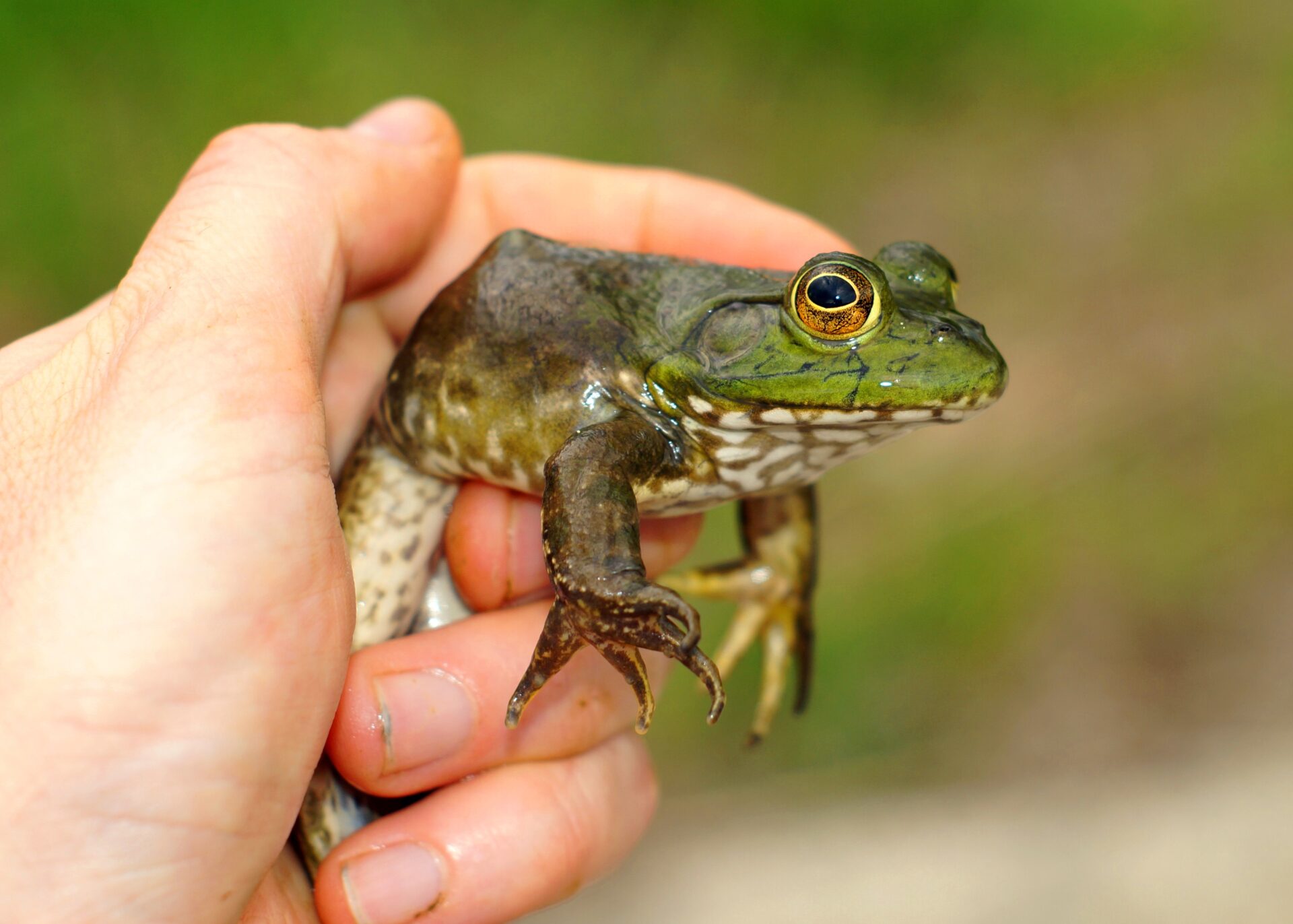
Frogs are fascinating creatures that make unique and low-maintenance pets. To ensure your frog stays healthy and happy, here are some essential guidelines for frog care.
1. Setting Up the Habitat:
Nadia Tan, a frog enthusiast in Singapore, emphasizes the importance of a suitable habitat: “Choose an aquarium or terrarium that mimics your frog species’ natural environment. Include aquatic plants, driftwood, and hiding spots to create a comfortable and secure habitat.”
2. Water Quality and Filtration:
Maintaining clean water is crucial for your frog’s health: Dr. Aaron Lim, a veterinarian, advises, “Use a filtration system suitable for amphibians to keep the water clean and oxygenated. Regularly test the water quality and perform partial water changes as needed.”
3. Feeding Your Frog:
Provide a varied diet to meet your frog’s nutritional needs: Rachel Lim, a reptile nutritionist, recommends, “Offer a diet of live insects such as crickets, mealworms, or waxworms. Some frogs may also eat small fish or commercial frog pellets. Dust insects with a calcium supplement before feeding.”
4. Temperature and Humidity:
Maintain the correct temperature and humidity levels in the habitat: Elaine Ong, a frog owner, shares, “Most frogs thrive in temperatures ranging from 65-75°F (18-24°C). Use a thermometer and a humidity gauge to monitor conditions. Mist the enclosure daily to maintain humidity.”
5. Handling and Interaction:
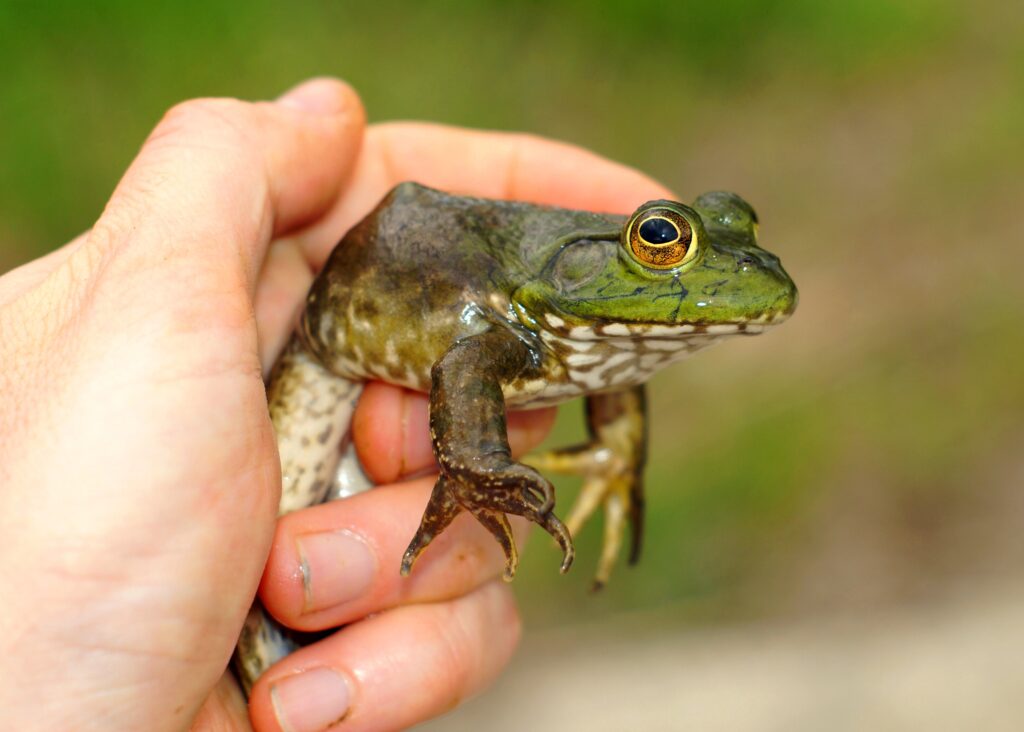
Minimize handling to reduce stress on your frog: Cheryl Ng, a pet caretaker, suggests, “Handle your frog as little as possible and always wet your hands beforehand to avoid removing their protective skin oils. Observe them quietly to enjoy their natural behaviors.”
6. Habitat Maintenance:
Keep the habitat clean to prevent health issues: Leonard Chua, a pet store owner, advises, “Regularly clean and disinfect the enclosure. Remove uneaten food, feces, and any contaminated substrate. Replace substrate as needed to maintain cleanliness.”
7. Health Monitoring:
Regularly monitor your frog’s health and behavior: Dr. Clara Lee, a veterinarian, stresses, “Observe your frog for signs of illness such as changes in appetite, abnormal skin appearance, or lethargy. Seek veterinary care promptly if you notice any concerning symptoms.”
8. Environmental Enrichment:
Provide environmental enrichment to stimulate your frog mentally and physically: Melissa Teo, a herpetologist, explains, “Include live plants, branches, and natural substrates in the enclosure to create a more naturalistic environment. Change the layout periodically to keep your frog curious and engaged.”
Conclusion:
Caring for frogs requires attention to their unique needs and behaviors. By following these essential guidelines from experts, you can create a thriving environment for your frog and ensure they live a healthy and fulfilling life in captivity. The care and dedication you provide will enhance your bond with these fascinating amphibians.
