

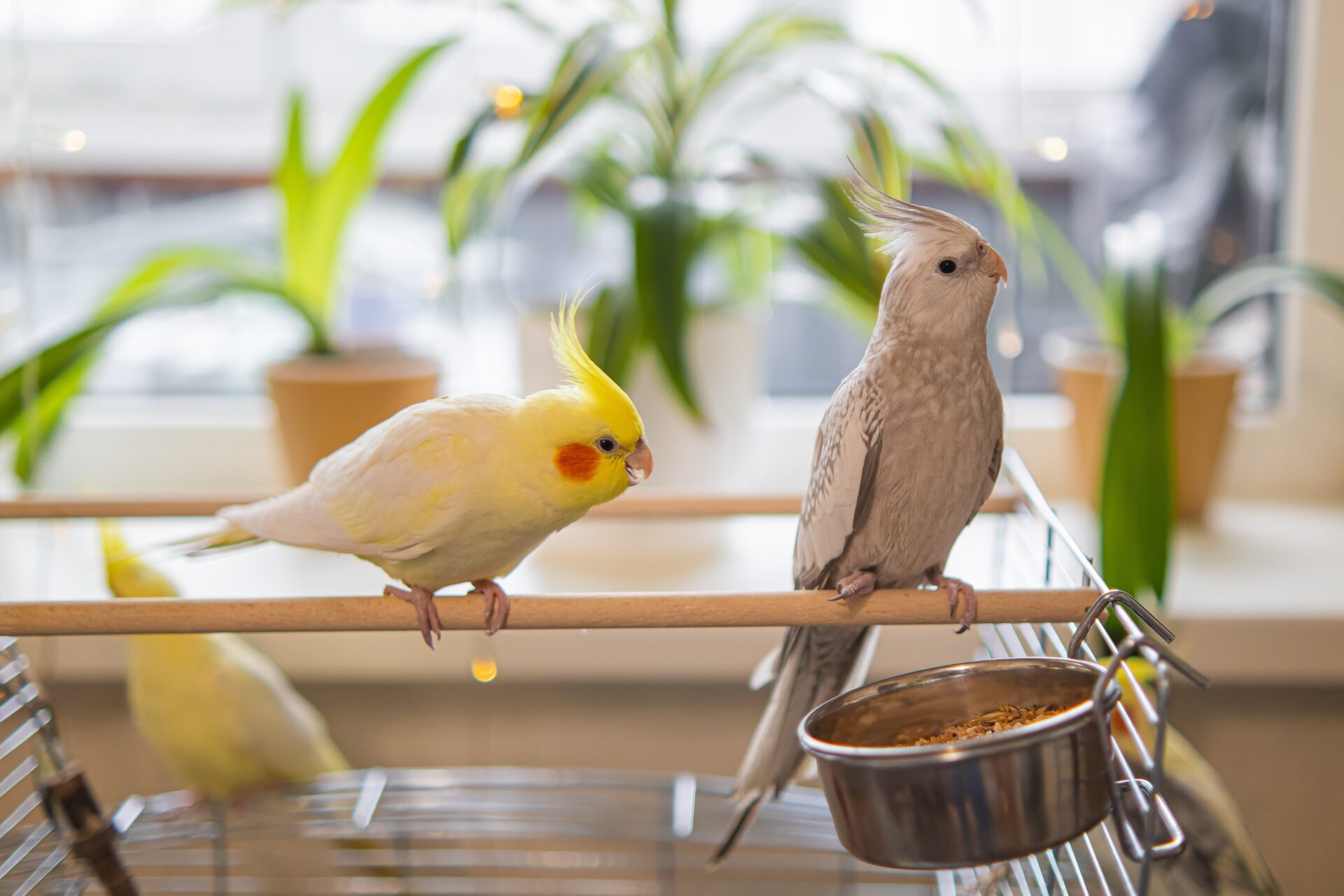
Small parrots, such as budgies and lovebirds, are intelligent and social birds that make delightful companions. To ensure your small parrot stays healthy and happy, here are some vital guidelines for parrot care.
1. Setting Up the Cage:
Uncle Tan, age 65, a bird enthusiast in Singapore, emphasizes the importance of a suitable cage: “Choose a spacious cage with horizontal bars for climbing and plenty of room to move. Provide perches of varying sizes and materials, and include toys for mental stimulation.”
2. Diet and Nutrition:
Feeding your small parrot a balanced diet is crucial for their health: Dr. Aaron Lim, an avian veterinarian, advises, “Offer a variety of fresh fruits, vegetables, high-quality pellets, and small amounts of seeds as treats. Ensure they have access to clean, fresh water daily.”
3. Socialization and Interaction:
Small parrots thrive on social interaction and bonding with their owners: Uncle Tan recommends, “Spend time daily interacting with your parrot through talking, training, and gentle handling. Provide opportunities for flight and play outside the cage in a safe environment.”
4. Environmental Enrichment:
Provide a stimulating environment to keep your small parrot mentally and physically active: Haresh Mer, a parrot owner, shares, “Rotate toys regularly to prevent boredom. Offer puzzles, chew toys, and foraging opportunities to encourage natural behaviors.”
5. Grooming and Hygiene:
Maintain your parrot’s hygiene to prevent health issues: Ian Chan, a bird enthusiast, suggests, “Trim your parrot’s nails and beak as needed to prevent overgrowth. Bathe your parrot regularly in a shallow dish or with a spray bottle, using lukewarm water.”
6. Cage Maintenance:
Keep the cage clean to promote your parrot’s health and well-being: Chen Jin Hong, a pet store owner, advises, “Clean the cage regularly, removing droppings, uneaten food, and any soiled bedding. Disinfect the cage and accessories weekly with a bird-safe cleaner.”
7. Health Monitoring:
Regularly monitor your parrot’s health and behavior: Dr. Clara Lee, an avian specialist, stresses, “Watch for signs of illness such as changes in appetite, feather condition, or behavior. Schedule regular check-ups with an avian veterinarian to detect health issues early.”
8. Safe Environment:
Ensure your home is safe for your small parrot to explore and play: Simon Teo, a bird care expert, advises, “Remove toxic plants and potential hazards. Keep windows and doors closed when your parrot is out of the cage to prevent escapes or accidents.”
Conclusion:
Caring for small parrots requires dedication and understanding of their unique needs. By following these vital guidelines, you can create a loving and enriching environment for your feathered friend. Your efforts will be rewarded with a happy and healthy companion that brings joy to your home.
