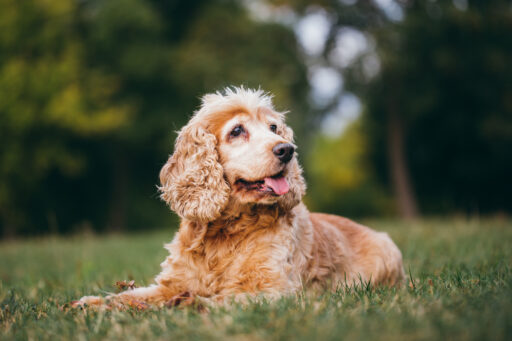
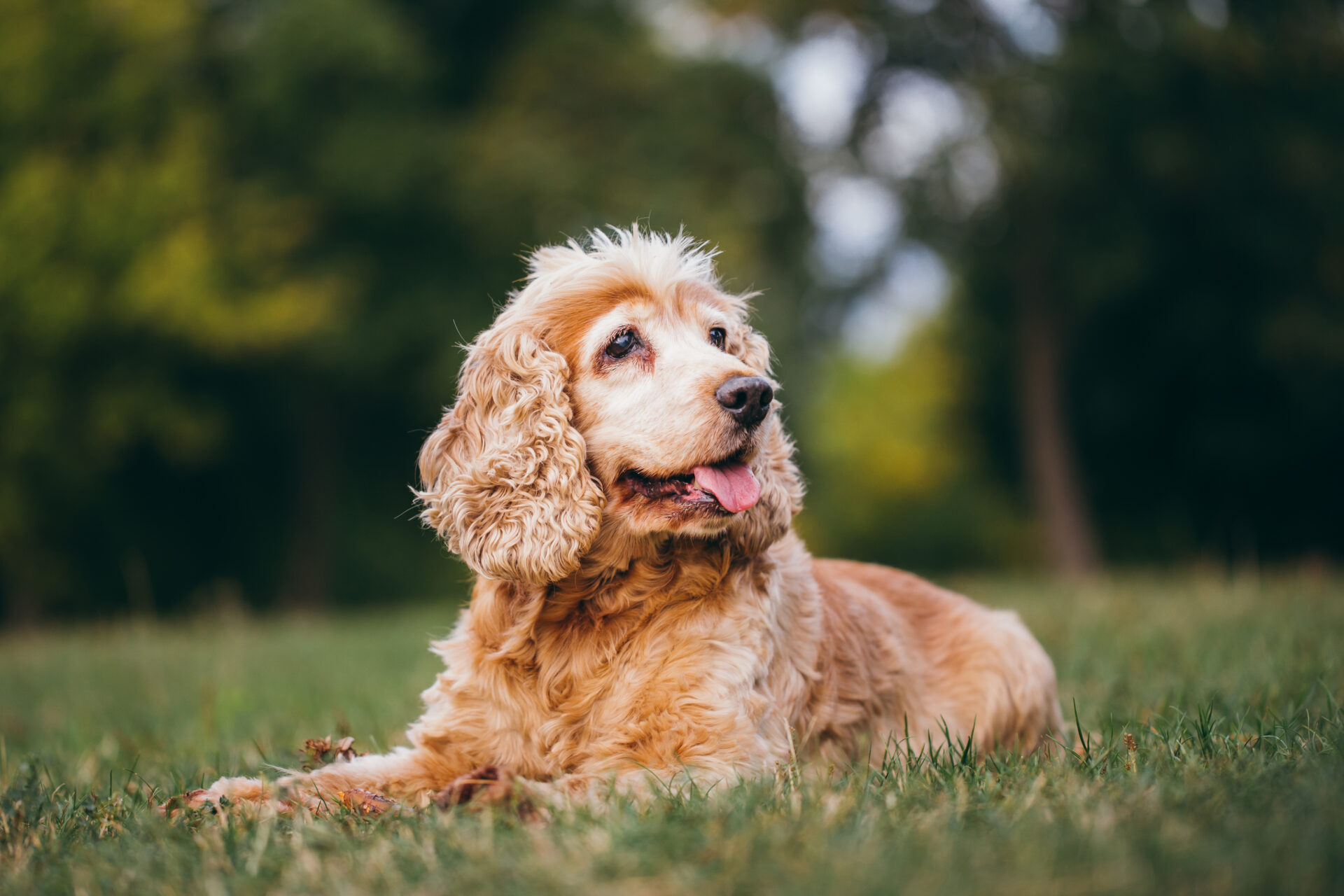
As dogs age, their needs change, requiring special care and attention to ensure they remain healthy and comfortable. Here are some essential tips and tricks for caring for your elderly dog.
1. Regular Vet Check-ups:
Routine veterinary visits are crucial for monitoring your senior dog’s health. Dr. Fiona Tan, a veterinarian in Singapore, advises, “Schedule regular check-ups at least twice a year. Early detection of age-related health issues such as arthritis, dental problems, and organ dysfunction can greatly improve their quality of life.”
2. Nutrition and Diet:
Senior dogs have different nutritional needs. Dr. Aaron Lim, a pet nutritionist, suggests, “Choose a diet specifically formulated for senior dogs. These diets often contain lower calories, higher fiber, and additional supplements to support joint health and mobility.”
3. Exercise and Mobility:
While elderly dogs may not be as energetic as they once were, regular, gentle exercise is important. Amanda Goh, a pet behaviorist, explains, “Short, frequent walks help maintain muscle tone and joint flexibility. Avoid strenuous activities and provide ramps or pet stairs to help them navigate elevated areas.”
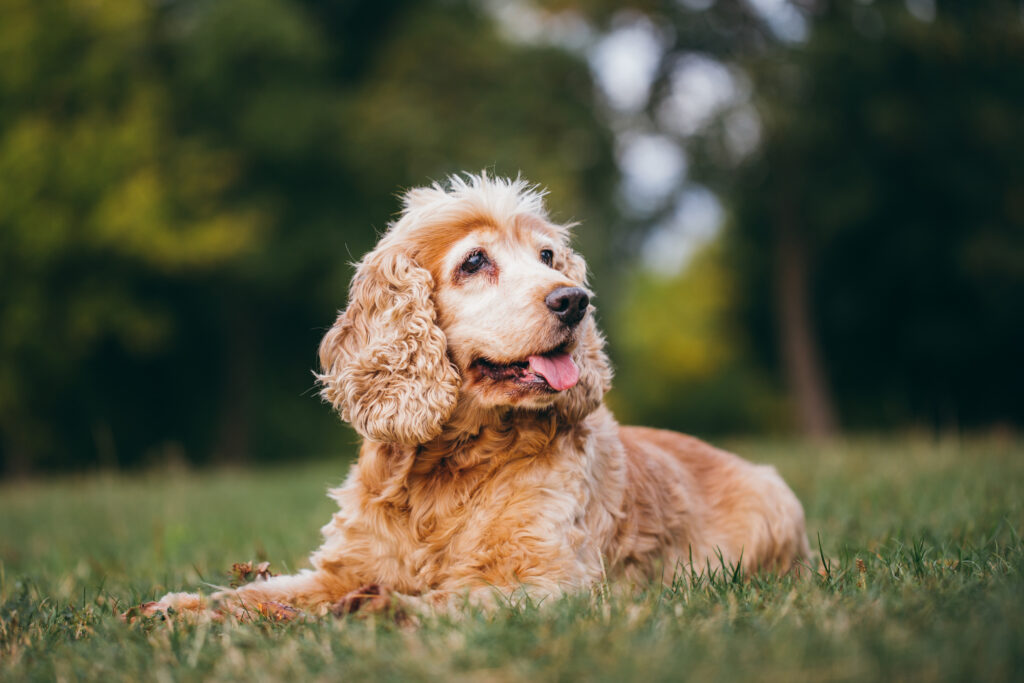
4. Comfortable Living Environment:
Creating a comfortable living space for your senior dog is essential. Nadia Tan, a pet care expert, recommends, “Provide soft bedding to cushion their joints and keep them warm. Ensure their living area is easily accessible and free from obstacles that might cause falls or injuries.”
5. Dental Care:
Dental health is often overlooked in older dogs. Dr. Clara Lee, a veterinarian, stresses, “Regular dental check-ups and cleanings are vital. At home, use dog-friendly toothbrushes and toothpaste to maintain oral hygiene and prevent dental diseases.”
6. Mental Stimulation:
Mental stimulation helps keep senior dogs engaged and happy. Rachel Lim, a dog trainer, suggests, “Use puzzle toys, interactive games, and gentle training sessions to keep their minds sharp. Regularly change up activities to keep them interested.”
7. Weight Management:
Maintaining a healthy weight is crucial for senior dogs. Dr. Kelvin Wong, a veterinarian, explains, “Excess weight can exacerbate arthritis and other health conditions. Monitor their weight closely and adjust their diet and exercise routine as needed.”
8. Monitoring and Adjusting Care:
As your dog ages, their needs will continue to change. Melissa Teo, a pet care specialist, advises, “Stay attuned to changes in your dog’s behavior, appetite, and mobility. Adjust their care routine accordingly and consult with your veterinarian for any concerns.”
Conclusion:
Caring for a senior dog is a rewarding experience that requires patience, love, and dedication. By following these tips and tricks from experts, you can ensure your elderly dog enjoys their golden years with comfort and joy. The care and attention you provide during this stage of their life will have a lasting impact on their well-being.